
The ROI of Grocery Store Lighting: Why the Right Investment Pays for Itself
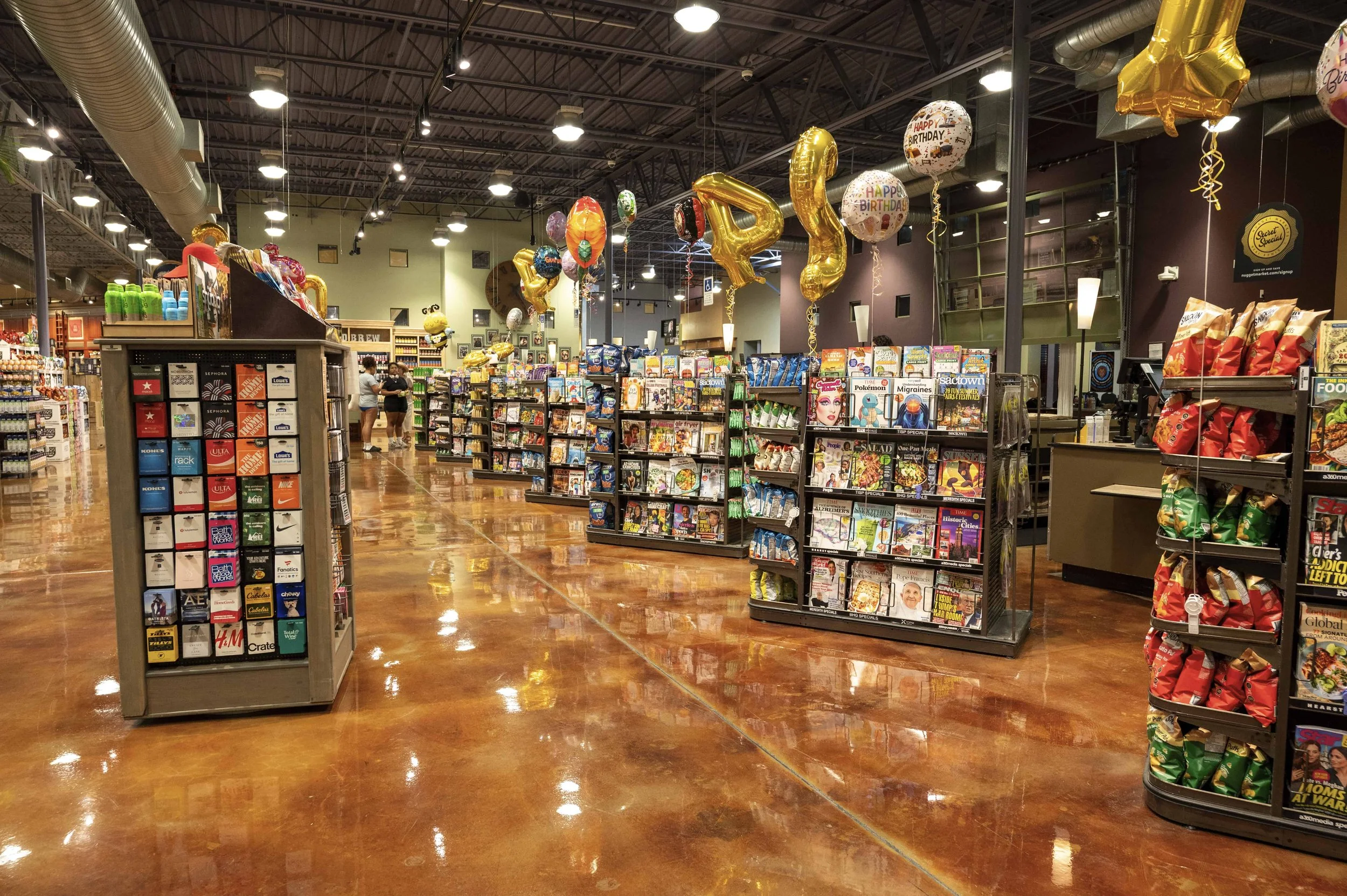
When a grocery store owner considers a remodel, lighting is rarely the first line item that comes to mind. Fixtures feel like a commodity, something to spec out, price, and move on from. But in practice, lighting is often the single highest-impact element of a store refresh, and the return on a well-designed lighting package shows up in ways that go well beyond a lower utility bill.
The Sales Floor Impact
The most direct measure of lighting ROI is sales performance, and the connection is more straightforward than most store owners expect. Lighting that makes products look genuinely appetizing drives impulse purchases. Produce that pops under high-quality light gets picked up. A deli case that looks vibrant and inviting sells more. A bakery that glows warmly pulls customers in who weren't planning to stop.
Clark's Markets, one of JLH Lighting's longest-standing clients, has seen up to a 10 percent year over year sales increase in locations that have undergone lighting remodels. The remodels involved décor updates and some display case changes as well, but lighting was the primary driver. That figure is not an anomaly. It reflects something that lighting designers and retail consultants have observed consistently: when a store looks better, it sells more.
The mechanism behind that is straightforward. Customers who feel comfortable in a store stay longer. Customers who stay longer buy more. A well-lit store with the right contrast, color quality, and atmosphere creates an environment where the instinct to rush through and get out is replaced by the desire to browse. Basket size follows naturally.
Quality and Cost Are Not Opposites
One of the most common misconceptions about quality grocery lighting is that it has to be expensive. That isn't always true, and it isn't how JLH Lighting approaches a project.
Every lighting package we design goes through a thorough value engineering process. We pit manufacturers against each other where the specifications allow it, find the best price on each specified product, and look for opportunities to reduce cost without reducing performance. In some cases, a client ends up with a significantly better lighting package than what they currently have and spends less in the process. In other cases, a full upgrade bringing in accent lighting, higher color quality fixtures, and a more layered design will cost more, but the investment is made deliberately, with a clear understanding of what it delivers.
While it's a given that LED lighting is efficient, quality doesn't have to take a backseat to wattage. The stores that look exceptional aren't the ones that bought the most energy-efficient fixtures on the market. They're the ones that bought the right fixtures for each application and deployed them as part of a thoughtful design.
Reduced maintenance is another factor that tends to get overlooked in the initial cost conversation. Quality fixtures from reputable manufacturers last longer, perform more consistently over their lifespan, and don't create the ongoing replacement cycles that cheaper products do. The true cost of a lighting package isn't what you pay on day one. It's what you pay over the life of the installation.
What the Investment Actually Looks Like
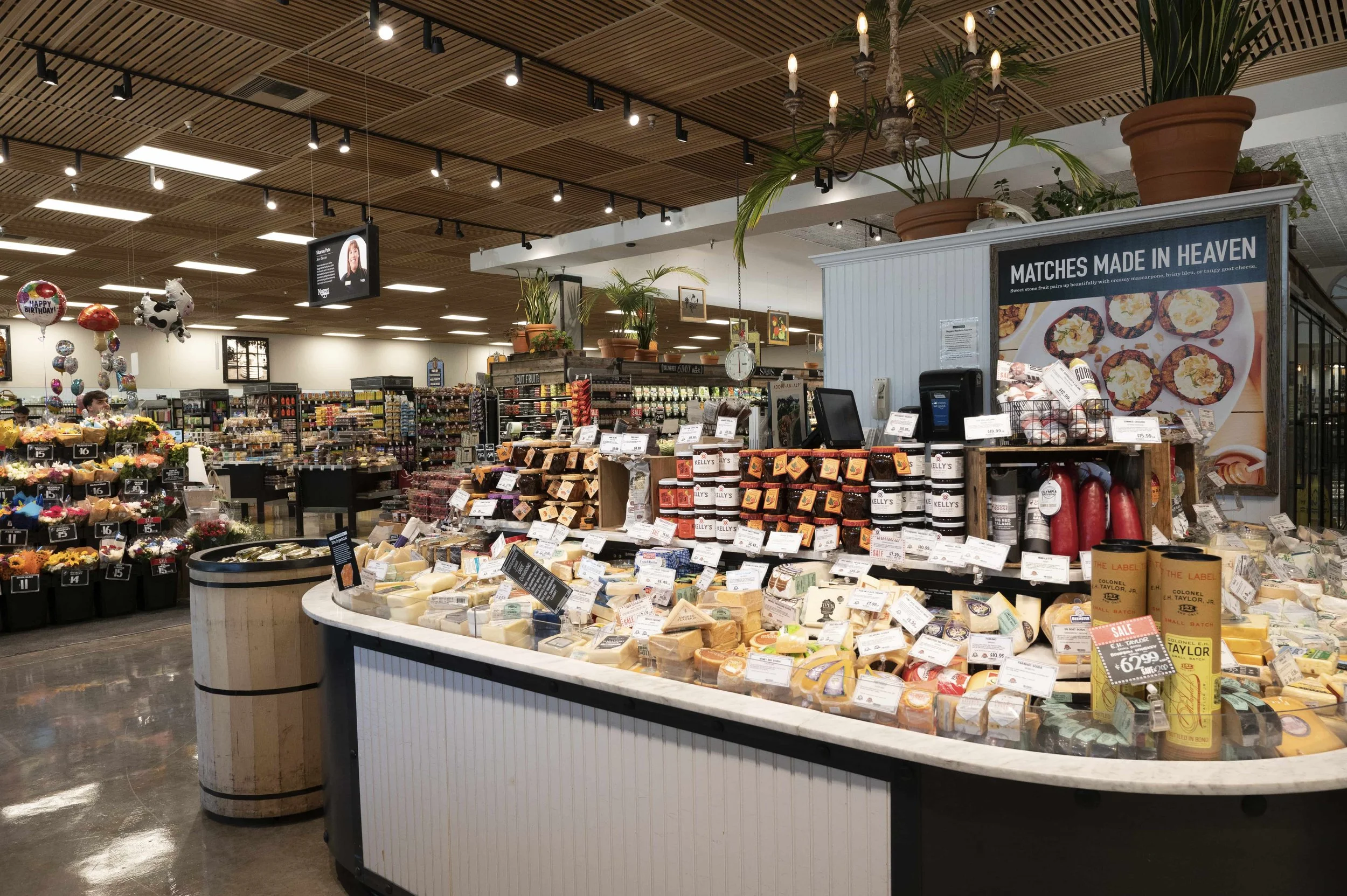
The cost of a grocery lighting package varies considerably depending on the scope of the project. A targeted department refresh and a ground-up new build are entirely different conversations. What stays consistent is the process: understanding what the store needs to look and feel like, designing a plan that achieves that vision, and then finding the best possible combination of products to deliver it at the best possible price.
That process starts before a single fixture is specified. The first conversation with every JLH Lighting client centers on one question: what do you want your customer to feel when they walk through the door? The answer to that question determines the lighting strategy, which in turn determines the fixture selection and the investment required to execute it well.
There is no universal number for what good grocery lighting costs. There is, however, a consistent truth: the stores that invest in getting it right see the return in their sales floor performance, in their customers' experience, and in the longevity of the installation itself.
The Bottom Line
Lighting is not a commodity. It is one of the highest-leverage investments a grocery store owner can make in their physical space, and it is one of the few elements of a store environment that influences every customer, every visit, from the moment they walk through the door.
The question worth asking isn't whether quality lighting is worth the investment. It's whether the current lighting is costing you sales you don't realize you're leaving on the table.
If you're curious what a lighting upgrade could look like for your store, we're happy to start that conversation.